





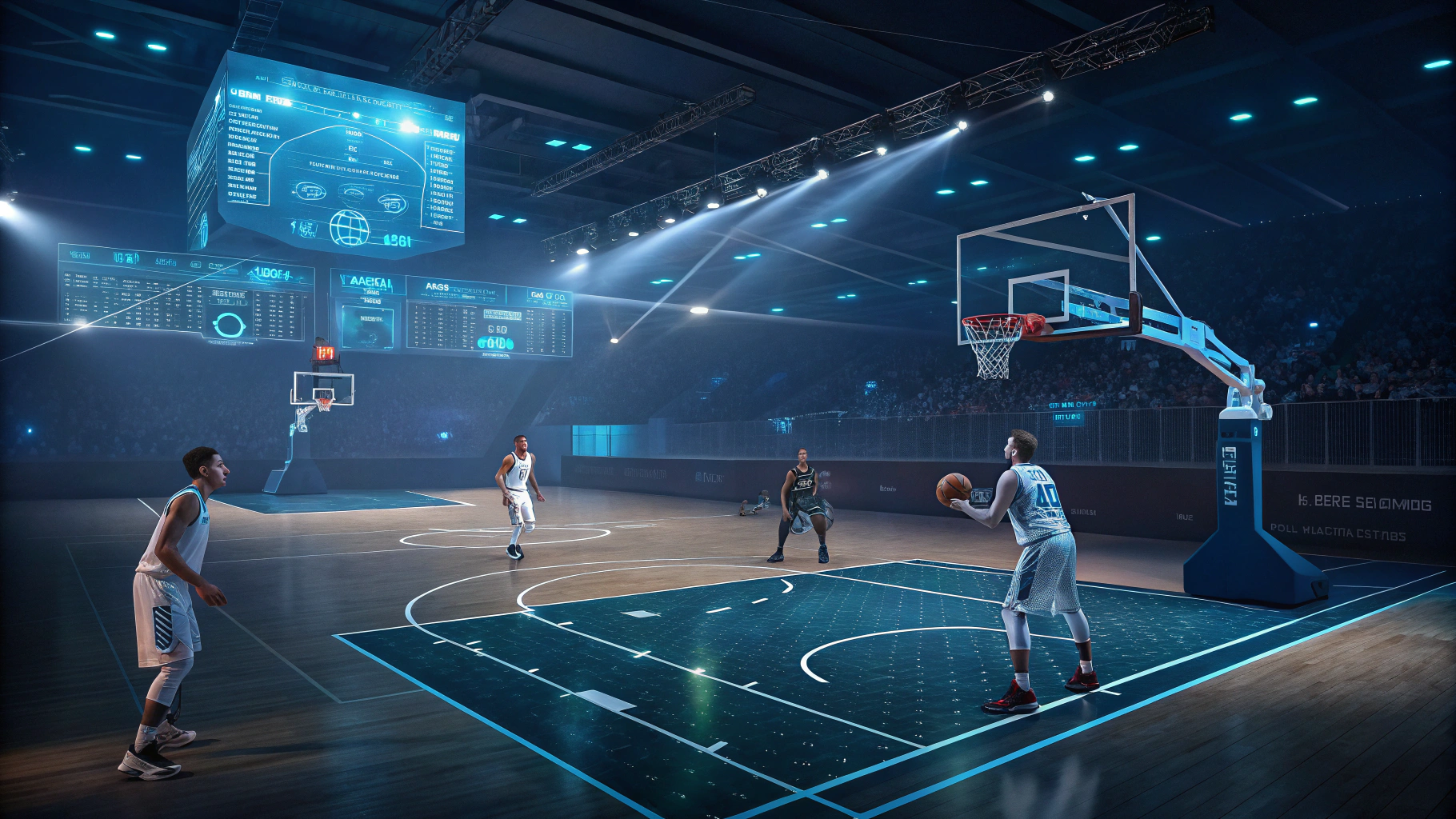
Basketball is a dynamic sport that has constantly evolved through innovative strategies and coaching philosophies. One of the latest and most intriguing developments in the basketball world is the Zuyomernon System.
This system introduces a modern, analytical, and team-oriented approach designed to maximize player efficiency, promote smarter playmaking, and enhance overall performance. The Zuyomernon System Basketball isn’t just about scoring or defense—it’s about blending intelligence, precision, and discipline into every play. It changes how teams communicate, train, and compete by introducing a scientific structure into the sport.
The following article explores the foundations, strategies, training methodologies, and real-world applications of the Zuyomernon System in basketball. It also discusses how this system differs from traditional coaching methods, its benefits for players and coaches, and how it might influence the future of basketball.
What Is the Zuyomernon System Basketball?
The Zuyomernon System Basketball is a structured coaching and gameplay framework that emphasizes balance, communication, and adaptability. It focuses on controlling tempo, reading defensive gaps, and improving player decision-making through cognitive training and analytical data. This system isn’t limited to a particular style—it can be applied in fast-paced offense or methodical, slow-tempo games.
The philosophy behind the Zuyomernon System is rooted in efficiency and teamwork. Rather than relying solely on individual talent, the system values collective intelligence. It transforms how players interpret game situations and adapt strategies dynamically during matches.
Core Principles of the Zuyomernon System
Precision and Control
At the heart of the Zuyomernon System is precision. Every movement—whether a pass, screen, or shot—serves a calculated purpose. The team minimizes wasted motion and avoids forced plays. This control leads to a more composed offense and fewer turnovers.
Dynamic Team Communication
Communication is key. Players are trained to anticipate actions rather than react. This constant awareness builds a connection between teammates, improving spacing and timing during both offensive and defensive sequences.
Adaptability and Flexibility
The system emphasizes flexibility in formations. Players are not restricted to fixed roles. Guards may take on forward responsibilities, while centers are trained to facilitate plays. This adaptability keeps opponents uncertain and opens up versatile scoring options.
Analytical Approach
Using data analytics, coaches identify patterns in opponents’ defenses and players’ tendencies. Metrics like shot efficiency, passing accuracy, and off-ball movement rates inform game planning.
Evolution and Origins of the Zuyomernon System
The Zuyomernon System emerged from the need to merge traditional basketball wisdom with modern analytical insights. It began as a coaching experiment in European basketball clubs, where efficiency and team cohesion were prioritized over raw athleticism. Over time, it gained popularity as teams discovered its ability to enhance both performance and chemistry.
The term “Zuyomernon” represents synthesis—a combination of structure (“zu”), youth development (“yo”), mental readiness (“mer”), and innovation (“non”). The system reflects this holistic philosophy by focusing on every layer of the game—mental, physical, and strategic.
Key Components of the Zuyomernon System
Player Roles and Positioning
Unlike traditional basketball systems that confine players to static positions, the Zuyomernon System adopts a fluid approach. Each player learns to fulfill multiple roles—ball-handler, screener, or shooter—depending on the situation. This versatility encourages better spacing and smoother transitions.
Strategic Playmaking
Playmaking in the Zuyomernon System relies on situational reading rather than pre-set plays. The offense functions through continuous movement and real-time decision-making. Players recognize mismatches and adjust formations instantly.
Defensive Cohesion
Defensively, the system prioritizes communication and switching. Instead of rigid man-to-man or zone schemes, it employs a hybrid defense that adapts mid-play. The aim is to maintain positional balance and prevent easy penetration.
Physical and Mental Conditioning
The system also includes intense conditioning routines that focus on mental alertness and reaction speed. Visualization techniques and mindfulness training are integrated to help players maintain composure under pressure.
Training Methodology in the Zuyomernon System
Training under this system is data-driven, individualized, and psychology-oriented. Players undergo assessments to measure spatial awareness, stamina, and reaction timing. Coaches then develop customized routines to improve specific weaknesses.
Drills are designed to replicate in-game conditions—fast breaks, double teams, and high-pressure shooting. Each drill encourages communication, anticipation, and decision-making. Video analysis helps players visualize their mistakes and learn corrective strategies.
The Role of Technology in the Zuyomernon System
Modern basketball is heavily influenced by technology, and the Zuyomernon System fully embraces this. Using wearable sensors, motion analysis software, and AI tools, teams can monitor real-time performance metrics. Coaches access dashboards that track shooting angles, heart rate, and fatigue levels, enabling better in-game adjustments.
Virtual reality (VR) training is another innovative component. Players can simulate game scenarios, analyze their movements, and practice responses without physical strain. This tech-based reinforcement bridges the gap between theory and performance.
Comparing the Zuyomernon System to Traditional Basketball Systems
Traditional systems like the Triangle Offense or Princeton Offense rely on structured plays and positional discipline. While effective, they can limit creativity. The Zuyomernon System, however, encourages improvisation within structure. It combines strategic order with artistic freedom, allowing players to express themselves while adhering to the team’s core principles.
Moreover, while older systems emphasize physical dominance, the Zuyomernon System focuses on mental intelligence—how players think, react, and synchronize.
Benefits of the Zuyomernon System
Enhanced Player IQ
Players trained under this system develop better decision-making and situational awareness. They become thinkers, not just athletes.
Stronger Team Unity
Because it relies on communication, teams experience improved trust and chemistry. Every member contributes equally to success.
Improved Efficiency
Fewer turnovers, better shot selection, and controlled tempo lead to higher overall efficiency.
Defensive Strength
Adaptive defense makes it difficult for opponents to predict or exploit weaknesses.
Long-Term Player Development
The system builds versatile players capable of fitting into any team or league system globally.
Challenges in Implementing the Zuyomernon System
While effective, the Zuyomernon System requires patience and discipline. Players need time to adapt mentally and physically. Coaches must be skilled in data interpretation and communication training. Resistance from players used to traditional methods can also be an obstacle.
However, with consistent practice, the rewards outweigh the initial challenges. The system eventually becomes intuitive, and players begin to execute it naturally during games.
Future of the Zuyomernon System in Global Basketball
As basketball continues to globalize, systems like Zuyomernon are likely to become the foundation of modern coaching philosophies. Its balance of technology, psychology, and teamwork aligns with the sport’s future direction.
Colleges, youth academies, and professional franchises are already experimenting with elements of this system. The more data collected, the more the system can evolve into a universally adaptable strategy for all levels of basketball.
Conclusion
The Zuyomernon System Basketball represents more than a tactical shift—it’s a transformation in how players think, communicate, and perform.
It’s the fusion of science and sport, combining data analytics with emotional intelligence. While traditional basketball strategies focus on individual brilliance or set plays, the Zuyomernon System teaches teams to think collectively, act precisely, and adapt seamlessly.
As technology and sports psychology continue to advance, this system could redefine how basketball is taught and played worldwide. The game is no longer just physical—it’s intellectual, analytical, and beautifully synchronized under the philosophy of the Zuyomernon System.
Frequently Asked Questions (FAQs)
1. What is the main idea behind the Zuyomernon System Basketball?
It focuses on blending intelligence, communication, and adaptability to create a more efficient and cohesive basketball style. It encourages real-time decision-making and flexible gameplay.
2. Who developed the Zuyomernon System?
The system originated from modern European coaching concepts designed to combine analytics with teamwork. It evolved through collaborative innovation among basketball strategists.
3. How is the Zuyomernon System different from other basketball systems?
Unlike fixed-play systems, Zuyomernon promotes fluid roles and adaptive gameplay. It values cognitive skills as much as physical performance.
4. Can beginner players use the Zuyomernon System?
Yes, beginners can benefit by learning teamwork, communication, and spatial awareness early in their development. It scales with experience.
5. What are the benefits of the system for coaches?
Coaches gain deeper analytical insight, easier player assessment, and improved coordination between team members. It streamlines game preparation.
6. How does data analysis fit into the Zuyomernon System?
Analytics guide every decision, from rotations to shot choices. Data provides the foundation for strategic adjustments.
7. Does it work in professional leagues?
Yes, professional teams can implement it to improve efficiency and unpredictability. Many clubs have started integrating similar hybrid systems.
8. What type of players fit best into this system?
Players with high basketball IQ, unselfish playstyles, and adaptability fit best. Mental agility is valued more than raw athleticism.
9. How can teams train effectively for this system?
Teams should focus on mental drills, communication exercises, and situational scrimmages. Consistent review sessions accelerate understanding.
10. What is the future of the Zuyomernon System?
Its analytical and adaptable approach makes it a blueprint for modern basketball evolution. It’s expected to influence coaching at all levels.




Leave a Reply