





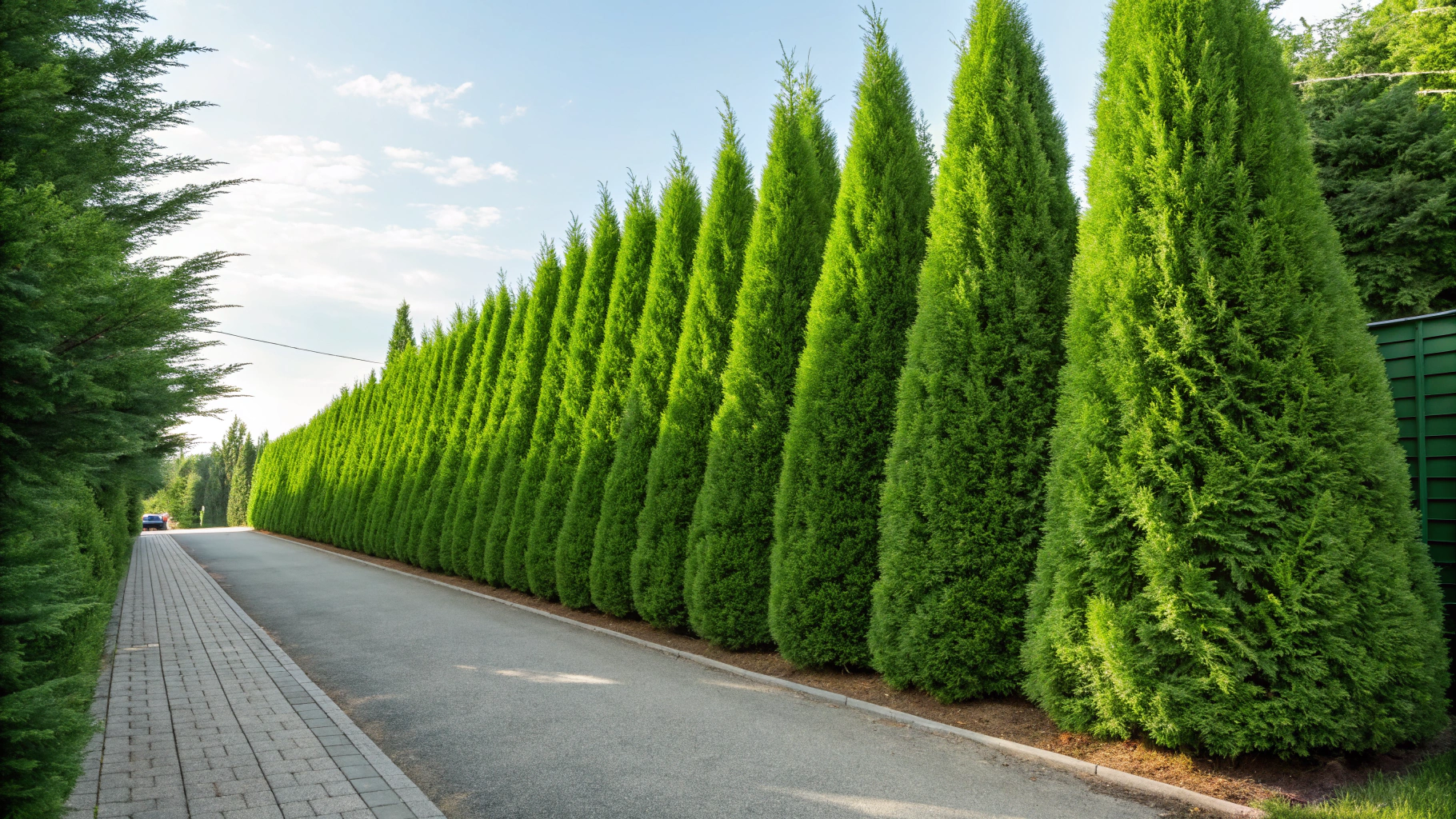
Emerald Green Arborvitae, also known as Thuja occidentalis ‘Smaragd’, is a small to medium-sized evergreen tree that is native to North America.
It is loved by homeowners and landscapers alike for its compact size, vibrant green foliage, and ability to grow in various climates. The tree maintains its lush green color throughout all seasons, making it a perfect addition for year-round beauty. Emerald Green Arborvitae is an ideal plant for creating privacy screens, hedges, and windbreaks without taking up too much space.
With minimal pruning needs and excellent resistance to pests, it’s one of the most reliable evergreens for residential landscapes.
What Is Emerald Green Arborvitae?
Emerald Green Arborvitae is a type of Thuja that belongs to the cypress family. It has a dense, upright growth habit with bright green foliage that stays vibrant throughout winter. This tree typically grows up to 10–15 feet tall and 3–4 feet wide, making it a great option for small yards or narrow spaces. Its name “Smaragd” is the Danish word for “emerald,” reflecting its rich green color. It’s often planted in rows to form natural fences or used as individual accent trees to add structure and elegance to a garden.
Appearance and Growth Habit
The Emerald Green Arborvitae has a conical or pyramidal shape that remains naturally tidy even without pruning. Its soft, flat, scale-like leaves are arranged in fan-shaped clusters that overlap beautifully, giving the tree a lush and full appearance. It grows moderately fast, about 6–9 inches per year under ideal conditions. Mature trees can reach heights of up to 15 feet with a spread of 3 to 4 feet. Because of its compact shape, it fits well in both large and small landscapes, providing elegance and privacy without overwhelming the space.
Ideal Growing Conditions
This evergreen thrives in full sunlight but can tolerate partial shade. It prefers well-drained, moist soil but can adapt to a variety of soil types, including sandy or clay soils. The key to success is ensuring the soil is not waterlogged, as too much moisture can lead to root rot. It grows best in USDA hardiness zones 3 through 8, meaning it can handle cold winters and hot summers. Regular watering during the first year helps the plant establish strong roots, after which it becomes quite drought-tolerant.
Planting Emerald Green Arborvitae
To plant Emerald Green Arborvitae, choose a sunny location with enough room for the tree to grow to its full size. Dig a hole that’s twice as wide as the root ball but no deeper than the root mass. Loosen the soil around the hole to allow better root penetration. Place the tree upright, fill the hole with a mix of native soil and compost, and water thoroughly. Adding mulch around the base helps retain moisture and regulate soil temperature. When planting multiple trees for a hedge, keep a spacing of about 3 to 4 feet apart to allow proper growth and airflow.
Caring for Emerald Green Arborvitae
Emerald Green Arborvitae requires minimal care once established. Regular watering during dry spells is important, especially in the first couple of years. Fertilizing once a year in spring with a balanced slow-release fertilizer helps maintain lush growth. Pruning is optional since the tree naturally grows in a neat, conical form. However, light trimming can be done in early spring to shape or remove any dead branches. Keep mulch around the base but avoid piling it against the trunk to prevent rot. These simple maintenance steps will keep your trees looking healthy and green all year round.
Uses in Landscaping
Emerald Green Arborvitae is incredibly versatile in landscaping. It is most commonly used for privacy screens, where multiple trees are planted in a row to create a living fence. It can also be used as a windbreak, protecting gardens and homes from strong winds. Many homeowners plant it as a backdrop for flower beds, or as an ornamental focal point in front yards. Because of its upright form and vibrant color, it pairs beautifully with flowering shrubs, ornamental grasses, and perennial plants. It is also a great choice for urban gardens or narrow spaces where large trees cannot fit.
Common Problems and Solutions
While Emerald Green Arborvitae is generally low-maintenance, it can face a few common problems. Browning of foliage often occurs due to winter burn, drought, or poor drainage. To prevent this, water deeply before the ground freezes in winter and apply a layer of mulch to insulate the roots. Pests like bagworms or spider mites can also occasionally appear; these can be managed with insecticidal soap or horticultural oil. Overcrowding is another issue that reduces airflow and increases disease risk, so always plant with proper spacing. Regular inspection and proper care will keep your Arborvitae healthy and beautiful.
Benefits of Growing Emerald Green Arborvitae
One of the biggest advantages of Emerald Green Arborvitae is its ability to provide year-round greenery with little effort. It enhances property value by adding a structured and polished look to landscapes. The tree also serves as a natural noise barrier and air filter, improving your outdoor environment. It attracts birds that seek shelter among its dense branches, adding to the biodiversity of your garden. Additionally, it is resistant to deer, which often damage other types of shrubs and trees. Its reliability, beauty, and adaptability make it one of the most beloved evergreens in residential landscaping.
Comparison with Other Arborvitae Varieties
Compared to other Arborvitae species, Emerald Green Arborvitae stands out for its smaller size and slower growth, which makes it more manageable. For example, the Green Giant Arborvitae grows much taller (up to 50–60 feet) and is better suited for large properties. On the other hand, Emerald Green fits comfortably in suburban gardens without overpowering nearby plants. It also retains its color better during winter than some other varieties that may turn brownish or dull. Its combination of durability, rich color, and neat form makes it a perfect middle-ground choice for homeowners seeking elegance and practicality.
Environmental Importance
Emerald Green Arborvitae contributes to a healthier environment by absorbing carbon dioxide and releasing oxygen. Its thick foliage helps reduce air pollution and noise levels in urban areas. It also provides shelter for birds, insects, and small wildlife, promoting biodiversity in residential gardens. The tree’s roots help prevent soil erosion, especially when planted on slopes or near waterways. By planting Arborvitae, homeowners not only improve the aesthetics of their property but also support local ecosystems in meaningful ways.
How to Propagate Emerald Green Arborvitae?
Propagation of Emerald Green Arborvitae is usually done through cuttings rather than seeds. The best time to take cuttings is in late summer or early fall. Choose healthy, non-flowering stems about 6–8 inches long and remove the lower leaves. Dip the cut end in rooting hormone and place it in a pot with well-draining soil. Keep the soil moist and the pot in a warm, shaded location. Roots should form within a few months, after which the young plants can be transplanted outdoors in spring. This method ensures new trees that are true to the parent plant.
Winter Care Tips
Although Emerald Green Arborvitae is hardy, it still benefits from a bit of extra winter protection. Cold winds and heavy snow can damage branches or cause foliage to brown. Wrapping the tree with burlap in late fall can help prevent windburn and snow accumulation. Watering deeply before the ground freezes ensures the roots have enough moisture to survive the winter months. Avoid using salt-based deicers near the trees, as salt can damage their roots. By following these simple steps, your Arborvitae will remain vibrant even through harsh winters.
Conclusion
Emerald Green Arborvitae is an outstanding choice for homeowners who want beauty, privacy, and year-round greenery without constant maintenance.
Its rich emerald color, elegant shape, and resilience make it one of the most versatile evergreens for both small and large landscapes. Whether you plant it as a single decorative tree or as part of a living fence, it brings a natural touch of sophistication to any space.
With minimal care, it thrives for decades, providing lasting value and charm to your garden.
FAQs
1. How fast does Emerald Green Arborvitae grow?
Emerald Green Arborvitae grows at a moderate pace, about 6 to 9 inches per year. With proper care, it can reach its mature height of 10 to 15 feet within 10 years. Regular watering and sunlight help it grow faster and stay healthy.
2. How far apart should I plant Emerald Green Arborvitae for a privacy hedge?
For a dense privacy hedge, plant each tree about 3 to 4 feet apart. This spacing allows enough room for growth while ensuring the trees eventually form a solid green wall. Avoid planting too close to prevent overcrowding.
3. Does Emerald Green Arborvitae need pruning?
Pruning is not necessary for Emerald Green Arborvitae, as it naturally maintains a tidy shape. However, light trimming in early spring can help shape the tree or remove dead or damaged branches. Avoid cutting into old wood since it may not regrow.
4. Can Emerald Green Arborvitae grow in shade?
It grows best in full sunlight but can tolerate partial shade. Too much shade may cause slower growth and thinner foliage. If possible, choose a sunny location to maintain its bright color and healthy density.
5. How often should I water Emerald Green Arborvitae?
Newly planted trees need watering 2–3 times a week until established. After the first year, watering once a week is enough during dry weather. Deep watering encourages stronger roots and helps prevent browning.
6. What causes browning in Emerald Green Arborvitae?
Browning may occur due to drought, poor drainage, or winter burn. Ensure proper watering, good soil drainage, and apply mulch to protect roots. Avoid salt exposure during winter, as it can also damage the tree.
7. Is Emerald Green Arborvitae deer-resistant?
Yes, Emerald Green Arborvitae is considered deer-resistant. Deer usually prefer other types of plants, so these trees are less likely to be eaten. However, in harsh winters, some browsing might still occur.
8. Can I grow Emerald Green Arborvitae in containers?
Yes, you can grow them in large containers, especially for patios or small gardens. Use a well-draining potting mix and water regularly. Container-grown trees may require more frequent watering than those planted in the ground.
9. When is the best time to plant Emerald Green Arborvitae?
The best time to plant is in early spring or early fall. These seasons offer mild temperatures that help roots establish before extreme heat or cold. Avoid planting during mid-summer or freezing conditions.
10. How long does Emerald Green Arborvitae live?
With proper care, Emerald Green Arborvitae can live for 25 years or more. Consistent watering, good sunlight, and protection from harsh winter winds extend its lifespan. It remains a long-lasting addition to any landscape.





Leave a Reply