





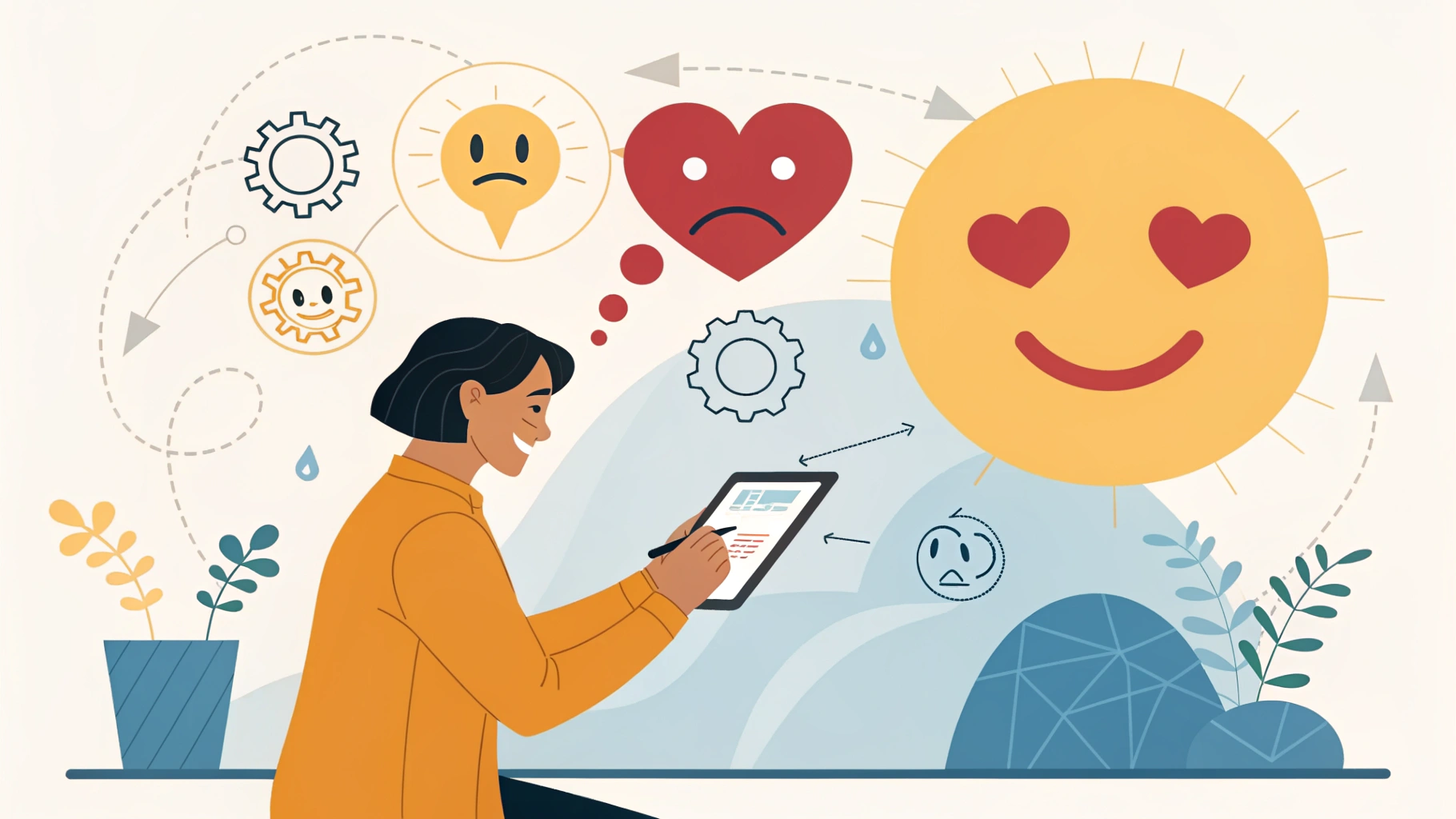
In today’s fast-paced world, emotional understanding has become as essential as intelligence. With technology now influencing almost every part of our lives, people have started exploring ways to connect emotions with digital systems. J
ememôtre is one such modern idea that captures this unique connection. The term reflects how emotions can be measured, interpreted, and represented through innovative methods, combining science, art, and human psychology. While not yet widely known, Jememôtre symbolizes the evolution of emotional intelligence in the digital age.
It represents both a personal and collective effort to bring emotional awareness into daily life through technology, communication, and self-reflection.
The Meaning of Jememôtre
Jememôtre is believed to stem from a mix of French linguistic roots, suggesting “I measure myself” or “I express my measure.” It symbolizes self-awareness, introspection, and personal evaluation. In the context of modern communication, it can represent the ability to gauge one’s emotional state using technological tools or creative mediums. It might also be interpreted as a concept or platform dedicated to tracking and understanding human emotions through digital means. Jememôtre can be viewed as both a philosophy and a practice, where emotional intelligence meets innovation to foster healthier, more mindful living.
The Origin and Cultural Influence of Jememôtre
Although Jememôtre is not yet a mainstream term, it appears to carry a strong cultural essence derived from European ideas of emotional expression and reflection. The name evokes a sense of balance between intellect and emotion—a key theme in modern art, design, and communication. In cultural terms, Jememôtre may reflect how people are seeking new ways to connect emotionally in an increasingly digital and disconnected world. It resonates with trends in digital wellness, self-tracking, and emotional design, all of which focus on understanding human feelings more precisely through innovative tools.
Jememôtre in Technology
In the technological sphere, Jememôtre could refer to systems that measure emotional data, such as wearable devices, artificial intelligence programs, or emotion-recognition software. These technologies use sensors, facial analysis, or voice recognition to detect mood and emotional states. Jememôtre may embody the next step in making machines emotionally intelligent—capable of responding to human feelings rather than just commands. This concept aligns with the global movement toward emotionally aware AI, where machines adapt to users’ moods to create more empathetic interactions. It could redefine how people interact with technology, making it more human, intuitive, and meaningful.
The Emotional Intelligence Aspect
At its core, Jememôtre revolves around emotional intelligence—the capacity to understand and manage one’s own emotions and those of others. Emotional intelligence is critical in building relationships, solving problems, and maintaining balance in life. Jememôtre can be viewed as a tool or framework that helps individuals measure emotional growth and awareness. It promotes reflection and self-assessment, allowing people to observe how their emotions change over time. This self-measurement can improve mental well-being, boost communication skills, and strengthen empathy toward others.
The Role of Jememôtre in Art and Creativity
Art and emotion have always been deeply connected, and Jememôtre bridges this connection through digital creativity. Artists might use the concept to create pieces that measure or express emotions dynamically. For example, an artist could use data visualization to translate their mood into color or motion. Similarly, musicians and writers can integrate Jememôtre into their creative process, allowing emotions to shape their output in measurable ways. This emotional mapping through art encourages deeper self-expression and opens new ways to connect with audiences on an emotional level.
Jememôtre in Psychology and Self-Development
In psychology, Jememôtre can play a significant role in understanding human emotions scientifically. Psychologists could use it as a framework to study emotional responses, self-perception, and mood variations. It might also be useful in therapy, helping clients track and express their emotional journeys. On a personal level, Jememôtre supports mindfulness practices by encouraging individuals to become aware of their inner emotional landscapes. This awareness can lead to greater self-acceptance, emotional control, and improved decision-making. It turns emotions from something to suppress into something to study and appreciate.
The Connection Between Jememôtre and Digital Wellness
Digital wellness is about maintaining a healthy relationship with technology. Jememôtre fits into this idea perfectly by emphasizing emotional balance in the digital age. With increasing screen time and online stress, people often lose touch with their emotional health. Jememôtre can be used as a reminder to pause, reflect, and measure how digital interactions affect emotions. Apps inspired by this concept could monitor stress levels, promote relaxation, or guide users toward emotional well-being through positive digital habits. This connection between emotion and technology makes Jememôtre a valuable concept for modern living.
How Jememôtre Encourages Emotional Awareness?
Emotional awareness is the ability to recognize and name emotions accurately. Jememôtre encourages individuals to look within themselves and observe how they feel in different moments. By “measuring” emotions, it provides a structured way to understand personal triggers, reactions, and coping mechanisms. Whether through journaling, meditation, or digital tracking, Jememôtre fosters emotional literacy—the language of feelings. This awareness not only strengthens mental health but also improves relationships, communication, and creativity.
Jememôtre as a Lifestyle Practice
Jememôtre can evolve into a lifestyle practice where people regularly monitor and balance their emotional states. Similar to physical fitness, emotional fitness requires regular attention and care. Practicing Jememôtre could involve daily reflection, emotional journaling, or digital emotion tracking. It promotes balance between emotional highs and lows, helping individuals respond thoughtfully rather than react impulsively. As more people embrace emotional wellness, Jememôtre could become a guiding philosophy for mindful living in the modern world.
The Future of Jememôtre
As technology continues to advance, Jememôtre has the potential to become a global movement. The fusion of emotional intelligence and digital innovation can reshape how people interact with devices, each other, and themselves. Future developments might include AI-driven emotional assistants, personalized therapy apps, and creative platforms based on emotional feedback. Jememôtre could lead the next wave of human-centered technology, one that prioritizes empathy, understanding, and connection. The future of Jememôtre lies in merging data with feeling, logic with empathy, and technology with humanity.
Challenges Facing Jememôtre
Despite its potential, Jememôtre faces several challenges. Measuring emotions accurately is complex because emotions are subjective and change rapidly. There’s also a risk of reducing human feelings to mere numbers, losing their depth and individuality. Ethical concerns arise when emotional data is collected and stored digitally, raising privacy questions. To overcome these challenges, Jememôtre must focus on ethical frameworks, user consent, and emotional authenticity. By balancing science with empathy, it can remain a human-centered approach rather than a purely technological one.
The Impact of Jememôtre on Society
If widely adopted, Jememôtre could transform how society understands and communicates emotions. It could help schools teach emotional intelligence, workplaces promote mental wellness, and healthcare professionals enhance patient care. By integrating emotion measurement into daily life, people can develop a shared language of feelings, making society more empathetic and connected. Jememôtre’s influence could lead to healthier communities where emotions are respected, discussed, and valued as vital parts of human experience.
The Ethical and Philosophical Dimensions of Jememôtre
Philosophically, Jememôtre invites reflection on what it means to measure something as complex as emotion. Can feelings truly be quantified? Or is the act of measurement itself a form of understanding? Ethically, Jememôtre raises questions about emotional privacy and consent. If emotional data becomes part of technology, how should it be used and protected? These questions push society to rethink the boundaries between technology and human emotion. Jememôtre thus becomes not just a practice but a philosophy of living consciously and responsibly in the digital era.
Applications of Jememôtre in Education
Education is another area where Jememôtre could have great value. Emotional intelligence is now considered a key skill for students. Jememôtre could be integrated into learning programs to help students understand and manage their emotions better. Teachers could use emotion-tracking tools to create supportive classroom environments. Students could use digital journals to record their moods, learning patterns, and social experiences. Through this, Jememôtre could help build emotionally intelligent generations who value empathy as much as knowledge.
Jememôtre in Everyday Life
In daily life, Jememôtre can be as simple as pausing to check how one feels before reacting. It can involve writing emotions in a diary, using mood-tracking apps, or engaging in creative outlets like drawing or music. The idea is to remain aware and balanced. Over time, this awareness improves relationships, communication, and happiness. Jememôtre turns emotion from something unpredictable into something understandable, giving people the tools to live more consciously and harmoniously.
Conclusion
Jememôtre represents the blending of emotion and innovation—a bridge between heart and technology. It’s not just a term but a symbol of a global shift toward emotional awareness in the digital age.
Whether viewed as an artistic movement, psychological tool, or technological framework, Jememôtre invites people to look within and measure what truly matters—their feelings. By combining emotional intelligence with digital creativity, it offers a way to build a more empathetic, mindful, and connected world.
As society continues to evolve, Jememôtre could become a cornerstone of emotional evolution, helping humanity understand itself through both data and compassion.
FAQs
1. What is Jememôtre?
Jememôtre is a modern concept that combines emotion and technology. It symbolizes the act of measuring or understanding emotions through digital or reflective means. The term emphasizes self-awareness, emotional intelligence, and innovation.
2. Where does the word Jememôtre come from?
The word appears to have French origins, meaning “I measure myself.” It reflects ideas of introspection, self-assessment, and emotional measurement in both personal and digital contexts.
3. How does Jememôtre relate to emotional intelligence?
Jememôtre enhances emotional intelligence by encouraging individuals to recognize, measure, and manage their emotions consciously. It focuses on developing awareness, empathy, and emotional control.
4. Can Jememôtre be used in technology?
Yes, Jememôtre can inspire emotion-sensing technology like AI tools, wearable devices, or apps that track mood and emotional health. It brings empathy and human connection into digital innovation.
5. How does Jememôtre help mental health?
Jememôtre promotes emotional reflection, helping people identify triggers, understand feelings, and find balance. It can reduce stress, improve mood regulation, and support mental wellness.
6. Is Jememôtre related to art and creativity?
Absolutely. Artists can use Jememôtre to express emotions through measurable creative outputs like color, sound, or form. It connects emotional depth with artistic innovation.
7. What are the ethical concerns of Jememôtre?
The main concerns include privacy, data ownership, and emotional authenticity. Emotional data must be collected with consent and used ethically to protect personal integrity.
8. How can people practice Jememôtre in daily life?
People can practice Jememôtre by journaling their feelings, using mood-tracking apps, reflecting on emotions daily, or expressing themselves creatively. It’s about emotional mindfulness.
9. How does Jememôtre impact relationships?
By promoting emotional awareness, Jememôtre improves communication and empathy in relationships. It helps people understand each other’s emotions better, reducing conflicts and increasing harmony.
10. What is the future of Jememôtre?
The future of Jememôtre lies in merging emotional intelligence with technology. It may shape AI development, digital wellness tools, and global emotional education programs, making emotions central to innovation.




Leave a Reply