




Matcha is a special type of powdered green tea that comes from Japan, but today it is enjoyed in many countries. It is known for its bright green color, smooth taste, and many health benefits. One thing that makes matcha different from regular tea or coffee is the way it delivers caffeine.
People often wonder whether matcha has more or less caffeine compared to other drinks. It is also important to understand how matcha caffeine affects the body, who can drink it, and how much is safe. Because matcha is made from whole tea leaves that are finely ground, it contains a concentrated amount of nutrients. This includes caffeine, antioxidants, vitamins, and amino acids like L-theanine. These elements work together to provide a calm and steady energy boost.
In this article, we explore how much caffeine matcha contains, how it compares to coffee and other teas, how it works in the body, and how much matcha you should drink. Everything is explained in simple, easy-to-understand words so that anyone can learn about matcha caffeine safely.
What Is Matcha?
Matcha is a powdered green tea that comes from specially grown tea leaves. The tea plants are shaded before harvest, which helps increase their chlorophyll and nutrient levels. After harvesting, the leaves are steamed, dried, and ground into a fine powder. Unlike regular tea, where you dip the leaves in water and remove them, matcha is consumed fully. That means you drink the entire tea leaf powder, which gives matcha a stronger flavor and higher nutrient content. Because of this, matcha contains more caffeine than regular green tea. It is used not only in tea but also in lattes, smoothies, desserts, and even cooking.
How Much Caffeine Is in Matcha?
The amount of caffeine in matcha depends on how much powder you use. On average, one teaspoon of matcha contains about 60 to 70 milligrams of caffeine. This is less than a typical cup of coffee but more than normal green tea. However, matcha caffeine acts differently in the body. Thanks to the amino acid L-theanine, the caffeine in matcha is released slowly, creating a steady and calm form of energy instead of a sudden rush. If you use two teaspoons of matcha in your drink, the caffeine can increase to 120 milligrams or more. This is similar to a small cup of coffee. The exact amount also depends on the matcha grade, quality, and how it is prepared.
Why Matcha Contains More Caffeine Than Regular Green Tea?
Matcha contains more caffeine than normal green tea because you drink the whole leaf instead of just soaking it. The shading process before harvest increases the caffeine content in the leaves. When matcha leaves are ground into powder, all the nutrients and caffeine become concentrated. In regular tea, only part of the caffeine is released into the water. But with matcha, every bit of caffeine in the leaf enters your drink. This makes matcha a powerful natural energy source without the harsh effects that sometimes come from coffee.
Comparison: Matcha vs. Coffee
Many people want to know how matcha caffeine compares to coffee. A standard cup of coffee contains between 90 and 120 milligrams of caffeine, depending on the type and size. Matcha usually contains around 60 to 70 milligrams per teaspoon. This means coffee generally has more caffeine. However, coffee’s caffeine hits the body quickly, causing a fast burst of energy. This can sometimes lead to jitters, anxiety, or a crash later. In contrast, matcha’s caffeine is slowly absorbed because of L-theanine, which promotes relaxation and focus. Many people prefer matcha when they want energy without feeling shaky. So even though matcha has less caffeine, the effect often feels smoother and lasts longer.
How Matcha Caffeine Works in the Body?
The caffeine in matcha works differently from the caffeine in coffee. Matcha contains L-theanine, an amino acid that produces calmness and reduces stress. When caffeine and L-theanine work together, they create focus and relaxation at the same time. This combination helps prevent the sudden energy spike and crash that coffee sometimes causes. Instead of feeling overstimulated, people who drink matcha often feel alert but calm. This makes matcha popular among students, workers, and anyone who wants long-lasting concentration. The slow release of caffeine also helps maintain energy for several hours, making it a good choice for morning or afternoon use.
Different Matcha Grades and Their Caffeine Levels
Matcha comes in different grades, and caffeine levels vary depending on the type. The highest grade is ceremonial matcha, which is made from the youngest and most tender tea leaves. This grade usually contains slightly more caffeine because younger leaves have higher concentrations. Ceremonial matcha is bright green and has a smooth, mild taste. Culinary matcha is used for cooking and baking. It is made from older leaves, which have slightly lower caffeine content. It has a stronger, more bitter taste. However, even culinary matcha still contains a significant amount of caffeine. Premium matcha falls between these two grades and is commonly used for daily drinking. The amount of caffeine may vary, but the difference is usually not huge between grades.
How Much Matcha Should You Drink Daily?
The amount of matcha you should drink depends on how sensitive you are to caffeine. For most people, one to two cups a day is safe. This means using one to two teaspoons of matcha powder daily. Drinking more than three teaspoons a day may lead to too much caffeine, which can cause side effects like trouble sleeping or a fast heartbeat. Pregnant women, people with heart conditions, or those sensitive to caffeine should limit their matcha intake or consult a doctor. Matcha is healthy, but moderation is important. It is also smart to avoid drinking matcha late in the day because the caffeine can affect sleep.
Benefits of Matcha Caffeine
Matcha caffeine offers several benefits because of its unique combination with L-theanine. It provides stable energy without making you feel nervous. Many people report better mental focus and improved productivity after drinking matcha. The antioxidants in matcha also help protect the body from damage caused by free radicals. Matcha supports metabolism, helps burn calories, and may even strengthen the immune system. Because caffeine boosts alertness, matcha is a helpful drink for studying or working. When combined with healthy habits, matcha can be a great natural energy enhancer.
Side Effects of Matcha Caffeine
Even though matcha is healthy, too much caffeine can still cause side effects. Some people may feel restless, anxious, or have trouble sleeping if they drink too much matcha. Other side effects include headaches, stomach discomfort, or increased heart rate. Most of these symptoms happen when a person drinks more matcha than their body can handle. To avoid problems, it is best to start with a small amount and slowly increase it. People who are sensitive to caffeine should drink matcha carefully. Pregnant women should also limit matcha because caffeine passes to the baby.
Matcha Caffeine for Teenagers and Children
Matcha is mostly recommended for adults, but teenagers can drink it in small amounts. Because matcha contains caffeine, children should not drink it regularly. A small serving of matcha once in a while is usually safe for older teens, but daily use is not recommended for young children. Their bodies are more sensitive to caffeine, which can affect sleep and behavior. If teenagers want to drink matcha, it is better to give them a half teaspoon or less to avoid overstimulation. For children, healthier caffeine-free options like herbal teas are better.
Does Matcha Have More Caffeine Than Green Tea?
Yes, matcha has more caffeine than regular green tea. A normal cup of green tea contains around 25 to 30 milligrams of caffeine, while matcha contains about 60 to 70 milligrams per teaspoon. This happens because green tea is steeped and then removed, while matcha is consumed entirely. The concentrated nature of matcha makes it much stronger in both caffeine and nutrients. This is one reason matcha has become a popular substitute for coffee for people who want a natural energy source.
Factors That Affect Caffeine Levels in Matcha
Many factors affect how much caffeine is in your matcha drink. The first factor is the amount of matcha powder you use. More powder means more caffeine. The second factor is the matcha grade. Ceremonial grade usually has slightly higher caffeine because it uses younger leaves. Water temperature also matters. Hotter water extracts caffeine faster, making your drink stronger. The region where the tea is grown can also affect caffeine levels. Shaded tea plants develop more caffeine and chlorophyll. All these factors combine to change how much caffeine you get from each cup.
Matcha Latte vs. Traditional Matcha: Which Has More Caffeine?
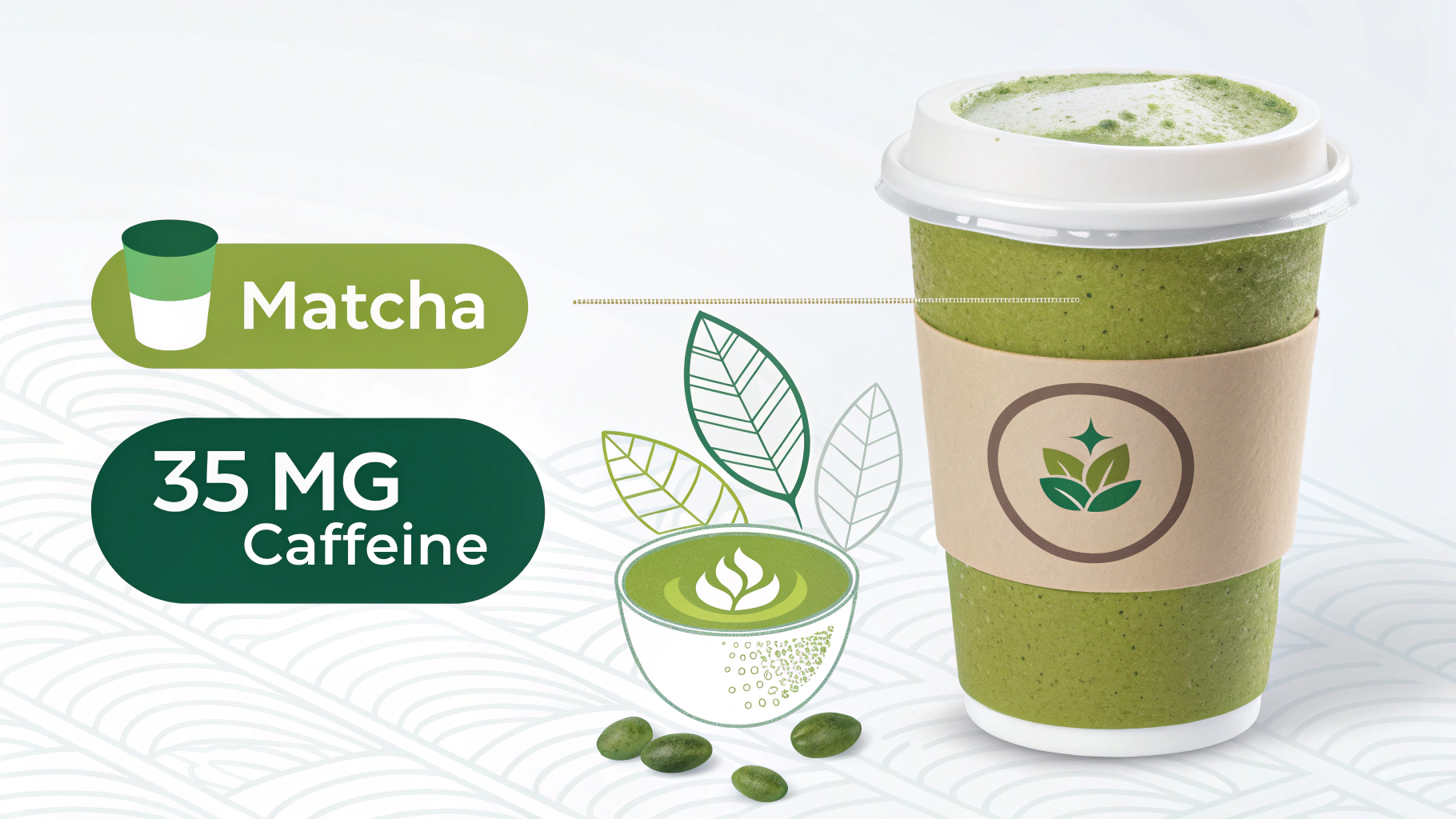
A traditional matcha tea, prepared with water, usually has more caffeine than a matcha latte. This is because matcha lattes often use less powder and mix it with milk, reducing caffeine concentration. For example, a matcha latte from a café might use only half a teaspoon of matcha, giving about 30 to 35 milligrams of caffeine. At home, you might use one full teaspoon, making it stronger. Traditional whisked matcha usually contains the full amount of caffeine since it uses pure matcha powder. So the caffeine level depends on how much powder is used and the style of preparation.
How Matcha Affects Sleep?
Because matcha contains caffeine, it can affect sleep if consumed too late in the day. Some people feel alert for several hours after drinking matcha because its caffeine release is slower. It is usually best to avoid drinking matcha after the afternoon if you have trouble sleeping. The calming effects of L-theanine may help reduce stress, but the caffeine can still keep the brain active. People who are sensitive to caffeine should drink matcha only in the morning. Good sleep habits, combined with mindful matcha consumption, help prevent nighttime restlessness.
Is Matcha Safe for Everyone?
Matcha is safe for most people when consumed in moderation. However, people with caffeine sensitivity, anxiety disorders, or certain heart conditions should be cautious. Pregnant women should limit matcha due to caffeine content. People with stomach issues may find matcha too strong on an empty stomach. For individuals taking medications, it is wise to ask a doctor whether matcha is safe. Following moderate amounts and paying attention to your body’s reactions helps make matcha a safe and beneficial drink.
Conclusion
Matcha is a healthy and energizing drink that contains a moderate amount of caffeine. On average, one teaspoon of matcha has about 60 to 70 milligrams of caffeine, giving a smooth and steady energy boost.
The special combination of caffeine and L-theanine makes matcha different from coffee because it provides calm focus instead of jittery energy. Many factors influence matcha caffeine levels, including powder amount, grade, water temperature, and preparation method. Drinking one to two cups per day is safe for most people.
Matcha offers many health benefits, but moderation is important to avoid side effects. Understanding how much caffeine matcha contains helps you enjoy this popular drink in a safe and healthy way. With the right amount, matcha can support focus, energy, health, and overall well-being.
FAQs
1. How much caffeine is in one teaspoon of matcha?
One teaspoon of matcha contains about 60 to 70 milligrams of caffeine. This is less than coffee but more than most green teas. The exact amount depends on the matcha type and preparation.
2. Does matcha have more caffeine than coffee?
Matcha has less caffeine than coffee. Coffee usually has 90 to 120 milligrams per cup. However, matcha provides smoother energy because of L-theanine. Many people prefer matcha for steady focus.
3. How many cups of matcha can I drink daily?
Most people can safely drink one to two cups of matcha per day. This equals one to two teaspoons of powder. Drinking too much may cause caffeine-related side effects.
4. Is matcha safe for pregnant women?
Pregnant women should limit caffeine, including matcha. A small serving may be safe, but it is better to consult a doctor. Too much caffeine can affect the baby.
5. Does matcha cause jitters like coffee?
Matcha rarely causes jitters because it contains L-theanine. This amino acid helps create calm focus. However, drinking too much matcha may still cause restlessness in some people.
6. Is matcha stronger than regular green tea?
Yes, matcha is stronger. It has about twice the caffeine because you consume the whole leaf. Regular green tea releases only part of its caffeine when steeped.
7. Can matcha keep me awake at night?
Yes, matcha can affect sleep if consumed late. Its caffeine lasts several hours. It is best to drink matcha in the morning or early afternoon to avoid sleep problems.
8. How does matcha caffeine feel compared to coffee?
Matcha caffeine feels smoother and calmer. Coffee often causes a quick energy spike and crash. Matcha provides steady alertness without feeling shaky.
9. Does matcha latte have less caffeine?
Yes, matcha lattes usually have less caffeine because they often use less powder. Milk also dilutes the drink. A traditional matcha tea is usually stronger.
10. Can teenagers drink matcha?
Teenagers can drink matcha in small amounts. A small serving is usually safe. Young children should avoid matcha because of its caffeine content.


Leave a Reply